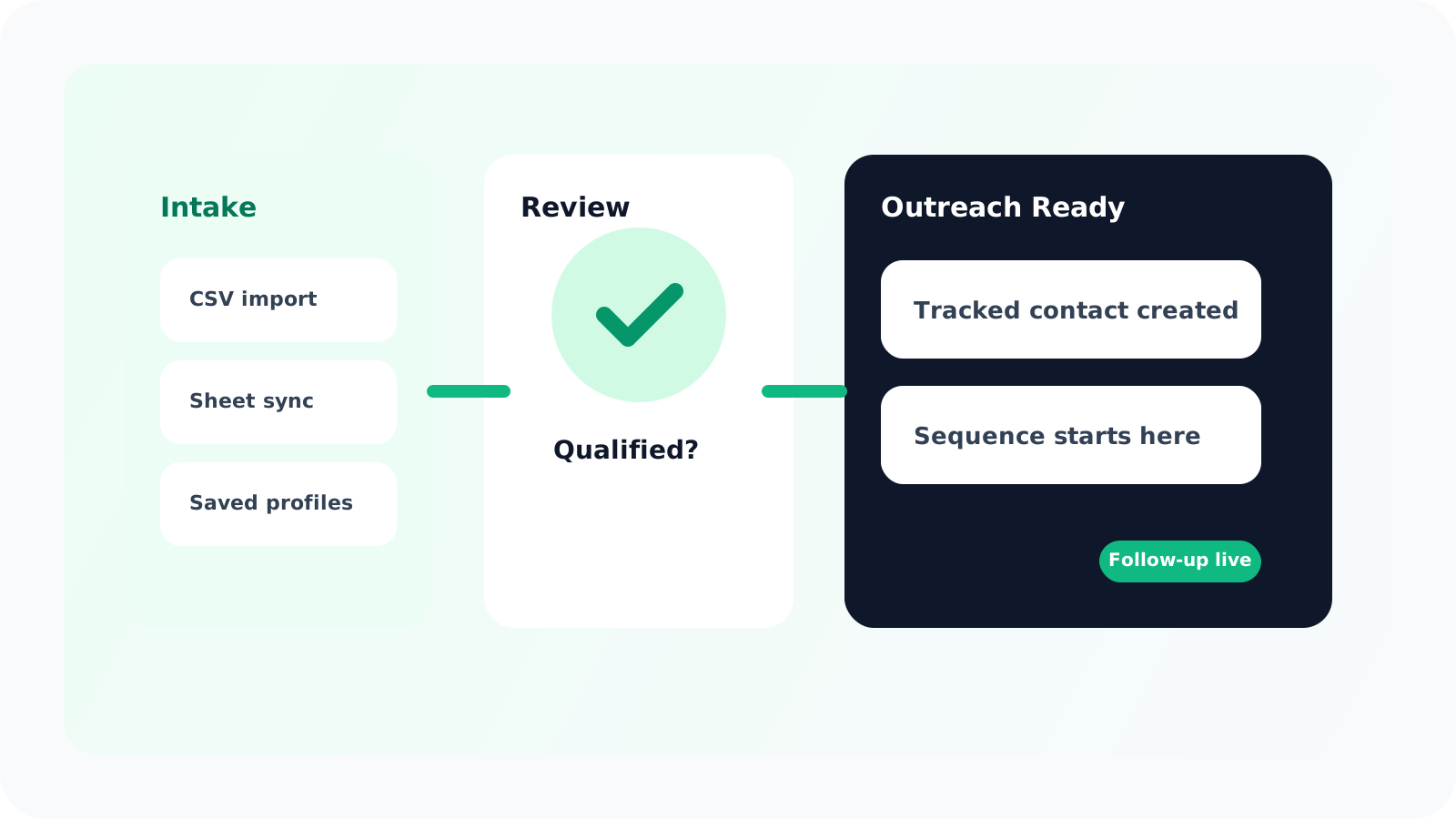
A LinkedIn target leads pipeline should protect your active follow-up queue from raw research noise. The goal is to collect prospects in one place, qualify them in context, and move only the right names into tracked outreach so reps spend their time on ready conversations instead of sorting through half-finished ideas.
That sounds simple, but many teams skip the middle step. They discover someone on LinkedIn and push the person straight into active follow-up before they are actually sure why the account matters now. The result is predictable: weak prioritization, generic messages, and a Today queue full of names the rep is not ready to work.
DMnesia solves that by keeping a distinct Target Leads lane. Prospects can be collected, reviewed, imported in batches, synced from a sheet, checked for duplicates, and converted into tracked contacts only when the rep is ready for active outreach.
For the earlier-stage ownership problem, see LinkedIn target leads pipeline for territory planning. That version is about organizing accounts before they are even ready to qualify for outreach.
What a LinkedIn target leads pipeline needs to do well
| Pipeline step | What should happen | Why it matters |
|---|---|---|
| Collect | Bring researched prospects into one staging area | You stop losing names across tabs, docs, and ad hoc lists |
| Review | Open profiles and confirm fit before outreach starts | The first message gets written from a stronger reason |
| Deduplicate | See whether a lead is already being tracked | The team avoids duplicate attention and confused ownership |
| Convert | Move qualified leads into active tracking | The live queue stays reserved for outreach-ready contacts |
That last transition is the one most workflows get wrong. A target-leads pipeline is not meant to be a prettier spreadsheet. It is meant to improve the quality of what reaches the rep’s active execution layer.
When that stage works well, qualification becomes faster instead of heavier. Reps stop debating where a lead belongs because the boundary is obvious: either the person is still being assessed, or the person has earned a real place in the follow-up system.
Why qualification should happen before active follow-up
1. It protects the Today queue
Once a name enters active follow-up, it competes for real attention. If too many unqualified leads cross that line, the queue stops meaningfully representing the best work available.
2. It makes personalization easier
Qualification forces the rep to articulate why this account matters. That improves the first message and makes the follow-up sequence easier to sustain because the outreach started from a clearer premise.
3. It gives managers cleaner coaching signals
When target leads and tracked contacts are kept separate, managers can see whether the problem is list quality or follow-up discipline. Without that boundary, every issue looks like a rep-effort issue even when it is really a pipeline-design issue.
Useful lens: a target-leads pipeline is not extra process. It is quality control. The cleaner the promotion rule into active outreach, the cleaner the rep’s day becomes afterward.
How to build a qualification-first LinkedIn target leads pipeline
A practical pipeline stays light, but it still needs clear rules.
- Use one intake lane for researched names, imports, or published-sheet feeds.
- Review profiles in context before deciding whether the prospect deserves active tracking.
- Check whether the person is already tracked so outreach does not split across duplicate records.
- Promote only ready prospects into the follow-up workflow.
- Let sequence, templates, and reply detection start only after conversion so active tooling stays focused.
DMnesia supports that exact progression. A rep can keep a target list, import in bulk, sync from a sheet, convert the best prospects with one click, and then rely on the rest of the follow-up system once the lead is officially live.
If you want the upstream strategy layer, the guide on how to build a LinkedIn prospect pipeline before reaching out covers how to define the right stages before qualification starts. If you want the downstream action layer, the LinkedIn follow-up sequence template guide picks up where qualification ends and execution begins.
This also improves team conversations. Instead of arguing about whether reps are “working enough leads,” managers can ask a better question: are we promoting the right leads into active work at the right time? That is a much healthier operating discussion than blaming the queue after it is already overloaded.
How DMnesia handles target-leads qualification in practice
DMnesia is useful here because it keeps the transition between list building and follow-up visible inside one workflow.
- Target Leads tab for collecting prospects before committing them to tracked outreach.
- Bulk import and published sheet sync for batch prospecting workflows.
- Duplicate guard so already-tracked people are visible.
- One-click conversion from target lead to tracked contact.
- Follow-up system after conversion including reminders, templates, and reply-aware cleanup.
That means the rep can stay disciplined without forcing all prospecting into a heavy CRM first. If your team wants the earlier lane-organizing logic in more detail, the article on a LinkedIn prospect tagging tool explains how lightweight grouping should support this qualification step rather than compete with it.
For the more specific pre-outreach sorting version of that problem, read LinkedIn prospect tagging tool for pre-outreach qualification.
If your qualified leads are coming through alliances rather than standard outbound, read LinkedIn target leads pipeline for channel partnerships for a partner-sourced staging workflow.
And if you want the original category overview, the existing guide to the LinkedIn target leads pipeline is the shorter primer version. This page is the qualification-first expansion of that topic.
People also ask about LinkedIn target leads pipelines
What is a LinkedIn target leads pipeline?
It is a pre-outreach workflow where reps collect, review, and qualify LinkedIn prospects before moving the best ones into active follow-up.
Why should target leads stay separate from tracked contacts?
Because active follow-up should be reserved for people the rep is ready to work now. Mixing research-stage leads with live outreach creates noise and weakens the daily queue.
How does DMnesia support target-leads qualification?
DMnesia lets reps hold prospects in a target-leads lane, import or sync lists, spot duplicates, and convert qualified names into tracked contacts with one click.
Conclusion: target leads should improve active outreach, not overwhelm it
A LinkedIn target leads pipeline is useful when it acts as a filter, not as another holding pile. The point is to keep research-stage thinking separate from live rep execution until the prospect is actually ready for outreach.
DMnesia supports that clean handoff: collect, qualify, convert, then work the follow-up from a queue designed for real action rather than rough ideas.
Keep active follow-up reserved for qualified work
Use DMnesia to hold raw prospects in Target Leads, convert the right ones into tracked outreach, and keep your follow-up queue cleaner from day one.
Compare DMnesia plansFrequently asked questions
What is a LinkedIn target leads pipeline?
It is the pre-outreach stage where prospects are collected and reviewed before they earn a place in the rep’s active follow-up workflow.
Why should target leads stay separate from tracked contacts?
Because that boundary protects the daily queue from low-confidence names and keeps follow-up attention pointed at people who are truly worth working right now.
How does DMnesia support target-leads qualification?
It gives reps a target-leads lane, batch intake options, duplicate visibility, and one-click conversion into the active outreach workflow.