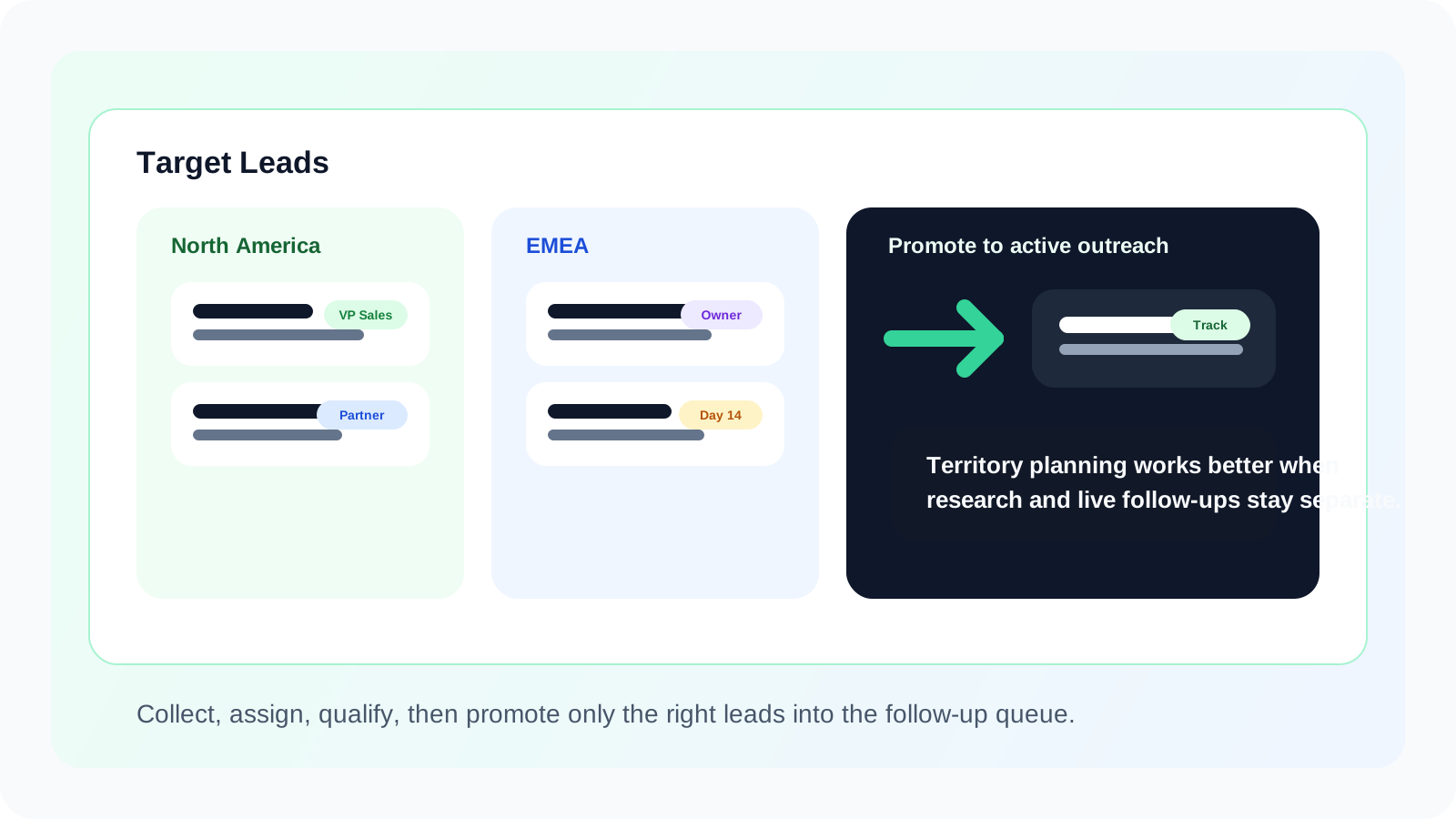
A LinkedIn target leads pipeline is one of the cleanest ways to handle territory planning because it keeps research, ownership, and qualification separate from live follow-up work. Instead of dumping every prospect into an active queue, teams can organize leads first and promote only the right accounts when they are actually ready.
Territory planning creates a lot of useful noise: named accounts, suggested contacts, vertical hypotheses, expansion targets, and partner referrals. The mistake is treating all of that noise like immediate outreach work. Once that happens, reps inherit a crowded follow-up queue full of people who are not yet assigned, timed, or qualified.
A LinkedIn target leads pipeline solves that by creating a research layer before execution. DMnesia's Target Leads workflow is built for this exact separation: collect prospects, review them, deduplicate them, assign implicit ownership, and only then convert the best fits into tracked follow-ups.
When those targets are coming from channel or referral motions, pair this with how to build a LinkedIn prospect pipeline before reaching out for referral partnerships so the warm-source context stays intact too.
What territory planning actually needs from a target leads pipeline
| Planning need | What the pipeline should support | Why it protects execution |
|---|---|---|
| Account research | Hold prospects before outreach begins | Reps can evaluate fit without cluttering the live queue |
| Territory ownership | Separate lists by region, segment, or rep motion | The team avoids duplicate outreach and unclear handoffs |
| Timing judgment | Keep leads parked until the trigger is right | Active reminders are reserved for people worth contacting now |
| Promotion to action | Convert the strongest leads into tracked follow-ups | The transition from planning to execution becomes deliberate |
Why teams get into trouble when target leads and active outreach blur together
1. The live queue stops meaning anything
If every researched prospect becomes a tracked contact immediately, the Today queue starts mixing real follow-up work with unfinished planning work. Reps stop trusting the queue because too many items are not ready for action.
2. Ownership gets messy
Territory planning often involves multiple reps, managers, account owners, or partner motions. A holding layer makes it easier to review who should work which contact before reminders begin firing.
3. Qualification quality drops
When list-building pressure spills straight into execution, teams contact people before the message angle is ready. A target leads pipeline slows the process down just enough to improve the first touch without adding heavy process.
Useful distinction: a territory plan answers "who could matter?" An active outreach system answers "who needs action today?" Good teams do not force those into the same list.
How DMnesia supports territory-first lead staging
DMnesia is useful here because it gives sales teams a practical pre-outreach lane instead of pushing everything into the reminder engine immediately.
- Target Leads tab for collecting prospects before committing them to tracked outreach.
- Duplicate protection so teams do not work the same person twice.
- CSV imports and published sheet sync for batch territory-building workflows.
- Profile review in context so reps can open LinkedIn, validate fit, and decide whether to promote the lead.
- One-click promotion into tracking once the prospect is ready for active follow-up.
- Reminders, templates, and reply visibility only after the lead enters the live queue.
This division is what keeps the pipeline clean. The planning layer stays flexible, and the execution layer stays urgent.
How to build a LinkedIn target leads pipeline for territory planning
A simple workflow is usually enough:
- Collect prospects into one staging lane from research, referrals, or territory lists.
- Sort by ownership or segment before starting outreach.
- Review profiles in LinkedIn to confirm the account, role, and reason to contact.
- Hold back uncertain prospects until timing, relevance, or ownership becomes clearer.
- Promote only ready contacts into the tracked follow-up workflow.
The generic LinkedIn target leads pipeline guide explains the core category. For a stricter qualification angle, read LinkedIn target leads pipeline for qualified outreach. This territory-planning version is different because the problem starts before messaging: deciding what belongs to whom and what is ready now.
How this improves manager review and rep focus
A clean target leads pipeline also makes coaching easier. Managers can review coverage, list quality, and ownership questions without disrupting live follow-up blocks. Reps can work active tasks without arguing with an overstuffed queue.
That matters because territory planning is rarely a one-time event. New accounts appear, existing territories shift, and warm introductions create exceptions. A pre-outreach pipeline absorbs that change better than a reminder system built for immediate action.
Once the team has enough confidence in a prospect, DMnesia can take over the next stage: reminders, templates, reply-aware cleanup, and the daily queue that helps reps stay consistent.
Keep territory research separate from live follow-up
Use DMnesia to organize target leads first, assign better ownership, and move only qualified prospects into active LinkedIn outreach.
Explore DMnesia featuresFrequently asked questions
Why does territory planning need a LinkedIn target leads pipeline?
Because territory planning produces more research than immediate outreach. A target leads pipeline gives that research a structured holding area before reminders begin.
What should stay in target leads instead of active tracking?
Prospects that still need ownership, timing checks, account research, or qualification should stay in target leads until the rep is genuinely ready to contact them.
How do teams move from territory planning to active outreach?
They review the list, confirm fit and ownership, then promote the strongest prospects into tracked follow-ups with reminders and message support.