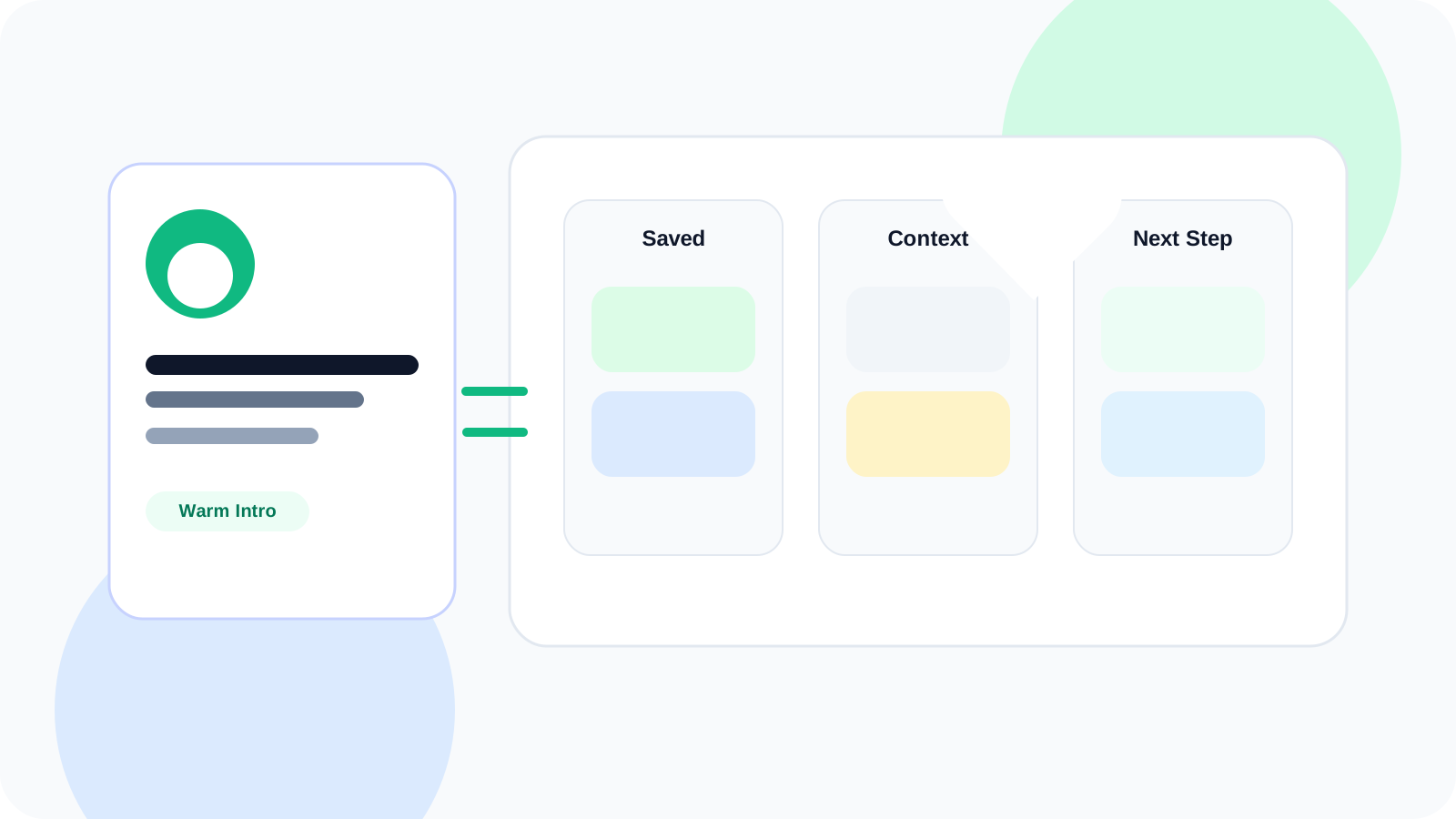
How to build a LinkedIn prospect pipeline before reaching out is really about storing context before you spend it. In referral and partnership motions, that means capturing the right account, the warm path in, and the next action before the first message or introduction goes out.
Referral outreach feels warmer than cold prospecting, but it is surprisingly easy to waste. A rep gets a partner suggestion, opens a few profiles, means to come back later, and then loses the thread. By the time the note goes out, the original context is gone and the message sounds generic again.
That is why partner-led prospecting needs a pre-outreach pipeline just as much as outbound does. The difference is that the pipeline should protect relationship context, not just contact data. You are not only asking who this person is. You are asking why this introduction makes sense, which partner motion it belongs to, and what should happen next if the first touch lands well.
DMnesia already supports that kind of setup through a lightweight Target Leads workflow. Teams can save promising profiles before they are fully active, keep a reason attached to each prospect, and then move the right people into reminders and tracked follow-up once outreach actually begins. If your process starts with partner referrals, that separation matters a lot.
Why referral partnerships need a prospect pipeline before the first touch
Warm intros do not remove planning. They raise the cost of sloppy execution. If a partner shares access to a buyer and the receiving team is still figuring out the message, the window narrows fast.
| Pipeline step | What to capture | Why it matters in partner outreach |
|---|---|---|
| Target saved | Profile, company, role, and partner source | You know which relationship opened the door |
| Context added | Shared customer problem, reason now, and mutual angle | The first message stays specific instead of polite and vague |
| Next step chosen | Intro request, direct message, or hold for later | The team avoids sitting on warm names with no owner |
| Follow-up scheduled | Timing for the next action if no reply arrives | Warm partner-sourced accounts do not fade out silently |
The minimum fields your partner prospect pipeline should include
A lot of teams overbuild this stage. You do not need a bloated CRM object before the first LinkedIn touch. You need enough information to make the message feel earned.
- Prospect identity with name, company, role, and profile.
- Partner source so the team remembers who opened the path in.
- Reason now such as a campaign, launch, shared customer issue, or visible initiative.
- Stage so everyone knows whether the account is only a target or ready for outreach.
- Next action so the opportunity does not become a bookmarked profile with no owner.
If that sounds similar to a general LinkedIn prospect pipeline, it is. The distinction is that partner motions need one extra layer: the relationship logic behind the outreach. That is why the more general guide to building a LinkedIn prospect pipeline before reaching out is still useful, but it is not enough on its own for referral work.
How to build the pipeline without slowing partners or reps down
1. Save the profile the moment it comes up
When a partner or internal stakeholder mentions someone worth reaching out to, the first step is not writing the message. The first step is capturing the prospect while the context is live. DMnesia is useful here because reps can save the profile into a target queue without committing to a full tracked sequence yet.
2. Write one sentence explaining why the intro makes sense
This is the discipline most teams skip. If the opportunity cannot be explained in one sentence, it probably is not ready. Examples include a shared customer motion, overlapping integration value, or a visible change inside the account that makes the partnership relevant now.
3. Group targets before you message them
Partner outreach gets messy when warm names from different motions all land in one loose list. Separate referral prospects by campaign, ecosystem partner, or account theme before the first message goes out. The related read on pre-outreach qualification tagging is useful if the team needs a simple way to keep those groups visible.
4. Schedule the next move before the tab closes
Partner motions create false confidence because the intro feels warm. In reality, warm opportunities get forgotten just as easily as cold ones if no next step exists. DMnesia’s reminder flow and Today view are valuable precisely because they turn partner follow-up into scheduled work instead of hopeful memory.
Simple test: if a rep cannot tell you who sourced the opportunity, why it matters now, and when the next action happens, the prospect is not really in a pipeline yet.
What good partner pipelines do better than ad-hoc LinkedIn outreach
The practical benefit is not just organization. It is better execution quality from the first note onward.
- Introductions stay specific because the team preserved the original context.
- Warm accounts get worked faster because stage and next action are already visible.
- Handoffs are cleaner because another rep can understand the opportunity without re-asking for background.
- Follow-ups do not disappear because reminders are attached to real accounts, not random notes.
If your team also runs broader account planning, pair this approach with LinkedIn target leads pipeline for territory planning. If you want the partnership-specific qualification layer, add LinkedIn lead tracking tool for partnership managers. Those two articles together cover the queue design that sits above partner-specific motions.
Where DMnesia fits in a referral-first workflow
DMnesia is not trying to replace every system around your partnerships. It is strongest at the moment where context is usually lost: while the rep is still inside LinkedIn and deciding what should happen next.
Use it to save warm profiles into a visible target list, move the best ones into active follow-up, set reminders, and keep replies from getting buried once the conversation starts. That is often enough structure to keep partner-sourced opportunities moving without forcing the team into heavy admin. When those warm intros need a gentler message rhythm, pair this with how to follow up on LinkedIn without being annoying for referral outreach.
People also ask about how to build a LinkedIn prospect pipeline before reaching out
What should a LinkedIn partner prospect pipeline include before outreach starts?
Include the profile, company, partnership angle, mutual context, current stage, and next action. If the team cannot explain why the introduction makes sense now, the prospect should stay in the target queue a little longer.
Why is a pre-outreach pipeline important for referral partnerships?
Because partner outreach depends on context. A pipeline keeps that context visible so the first note feels timely and the follow-up does not vanish after the warm intro is made.
Can I run a LinkedIn partner pipeline without a full CRM?
Yes. Many teams start with a lighter browser workflow that captures targets, reasons, and next steps before anything needs to become a larger CRM record.
Conclusion: warm access still needs structure
The best partner outreach teams are not the ones with the most introductions. They are the ones that protect context before outreach starts. Build the LinkedIn prospect pipeline first, and your warm path into the account becomes much easier to personalize, prioritize, and follow through.
If you want a practical way to do that inside the browser, use DMnesia to save target leads, track the next step, and keep referral-sourced follow-ups visible while they are still warm.
Keep partner-sourced LinkedIn leads organized
Use DMnesia to save warm profiles, attach the next step, and keep referral follow-ups from slipping away.
See how DMnesia worksFrequently asked questions
What should a LinkedIn partner prospect pipeline include before outreach starts?
It should include the profile, company, partnership angle, mutual context, current stage, and next action. If you cannot explain why the introduction makes sense now, the prospect is not ready for outreach yet.
Why is a pre-outreach pipeline important for referral partnerships?
Referral and partner outreach usually depends on timing and context. A pre-outreach pipeline protects that context so you do not waste a warm intro on a vague message or a missing next step.
Can I run a LinkedIn partner pipeline without a full CRM?
Yes. Many teams use a lighter browser-based workflow to save target leads, group warm opportunities, and set the next follow-up before moving anything into a broader CRM record.