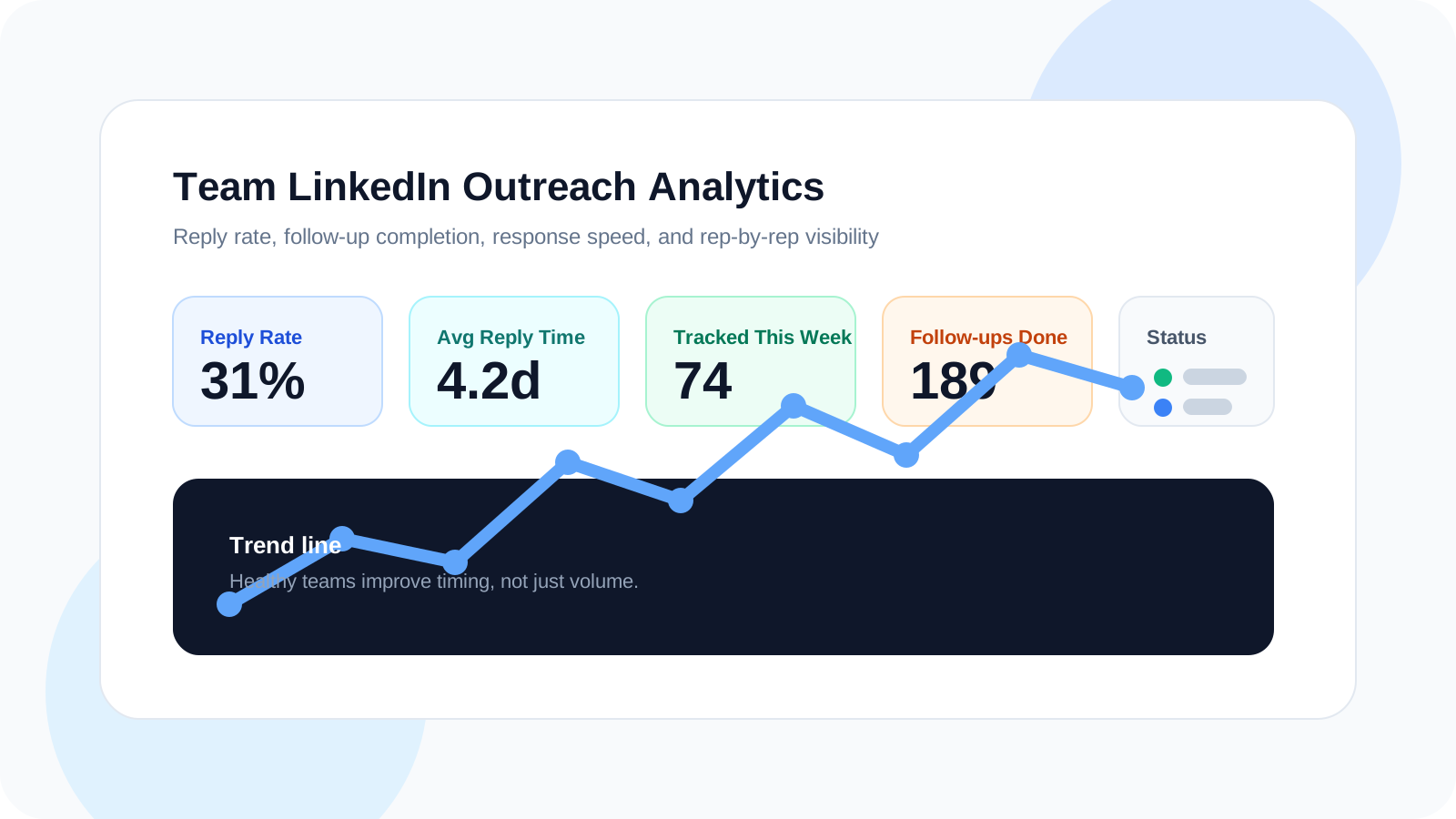
Team LinkedIn outreach analytics should tell you whether reps are creating conversations, not just clicking around. The most useful metrics are tracked-this-week volume, reply rate, average reply time, completed follow-ups, and status mix across active, replied, snoozed, and archived contacts.
A lot of outreach dashboards fail because they measure easy activity instead of useful progress. Managers end up looking at noisy numbers that make everyone feel busy without explaining whether pipeline quality is improving.
At DMnesia, the analytics logic starts from the rep workflow itself. The extension already keeps track of how many contacts were added recently, how many ever replied, how quickly they replied, and how many follow-ups were completed. That means the numbers reflect actual outreach behavior, not a separate reporting ritual invented after the fact.
What team LinkedIn outreach analytics should include
If you only track one metric, you will coach the team badly. Good analytics show pace, quality, and timing together.
| Metric | What it tells you | Why it matters |
|---|---|---|
| Tracked this week | How much fresh pipeline the team is creating | Shows whether prospecting volume is keeping up |
| Reply rate | How often outreach turns into a response | Acts as a signal for targeting and messaging quality |
| Average reply time | How long prospects take to answer | Helps teams judge cadence and urgency |
| Follow-ups done | Whether reps are working the system consistently | Separates good intention from real execution |
| Status breakdown | How the book of business is distributed | Shows whether contacts are progressing or stalling |
How DMnesia turns activity into useful analytics
Tracked-this-week volume keeps the top of funnel honest
If the team is not adding enough relevant contacts, later metrics will eventually collapse. DMnesia keeps a Tracked this week view so managers can see whether pipeline creation is healthy before reply rates become the only topic.
Reply rate is stronger when reply detection is built in
Reply rate is only trustworthy if the system can actually detect responses cleanly. DMnesia’s reply-aware workflow matters because once a contact replies, the pending reminders stop and the contact shifts away from the active follow-up queue. That keeps analytics closer to reality.
Average reply time shows whether cadence feels natural
A team can have okay reply rate and still have poor timing discipline. Average reply time helps managers understand whether reps are starting conversations with the right people and whether follow-up windows feel too fast, too slow, or just right.
Status breakdown exposes what the team is carrying
DMnesia’s breakdown across Active, Replied, Snoozed, and Archived contacts is simple, but that simplicity is useful. Managers can quickly see whether the team is building too much stale backlog or moving enough contacts into real conversations.
Coaching shortcut: when tracked volume is healthy but reply rate is weak, focus on targeting and message quality. When reply rate is decent but follow-ups done are lagging, the issue is execution discipline, not market fit.
How managers should use team LinkedIn outreach analytics
The goal is not to turn every rep into a spreadsheet. The goal is to ask better questions in one-on-ones and forecast reviews.
- Compare pace and quality together so high activity does not hide poor outcomes.
- Look for trend direction instead of obsessing over one isolated week.
- Use rep-level tracked totals to separate ramp stage from performance stage.
- Review follow-up completion because good messaging still fails when the team forgets to return.
- Pair team analytics with portal visibility so numbers connect back to real rep behavior.
That is where the team portal layer becomes useful. The extension handles individual execution, while the portal gives managers shared lead counts and member-level visibility. Put together, the team can see both the operational picture and the outcome picture.
People also ask about team LinkedIn outreach analytics
What are the most important team LinkedIn outreach analytics?
The most useful metrics are tracked-this-week volume, reply rate, average reply time, follow-ups completed, and status breakdowns. Together they show whether the team is building pipeline and whether that activity is turning into real conversations.
How do managers use LinkedIn outreach analytics for coaching?
They use them to spot timing problems, weak targeting, and follow-up gaps. Good analytics make it obvious whether a rep needs more volume, better messaging, or tighter response handling.
What is a good reply rate for LinkedIn outreach teams?
There is no universal benchmark because audience quality and motion differ. Most teams should care more about whether the rate is improving alongside cleaner follow-up behavior than whether it hits a random number from someone else’s market.
Conclusion: useful analytics help teams improve behavior, not just report it
Team LinkedIn outreach analytics only matter if they help the team make better decisions. The best dashboards show whether reps are building enough pipeline, following up with discipline, and creating replies at a sustainable pace.
If your current reporting cannot tell the difference between busy work and healthy conversations, it is not analytics yet. It is just noise with a chart attached.
Measure the LinkedIn metrics that change behavior
Use DMnesia to give reps reply-aware workflow metrics and give managers a shared view of lead volume, follow-up discipline, and team activity.
View Team ReportingFrequently asked questions
What are the most important team LinkedIn outreach analytics?
The most useful metrics are tracked-this-week volume, reply rate, average reply time, follow-ups completed, and status breakdowns. Together they show whether the team is building pipeline and whether that activity is turning into real conversations.
How do managers use LinkedIn outreach analytics for coaching?
Managers use them to spot timing problems, weak targeting, and follow-up gaps. Good analytics make it obvious whether a rep needs more volume, better messaging, or tighter response handling.
What is a good reply rate for LinkedIn outreach teams?
There is no universal benchmark because audience quality and motion differ, but managers should look for trend direction first. Improving reply quality and reply speed usually matters more than chasing a vanity percentage in isolation.