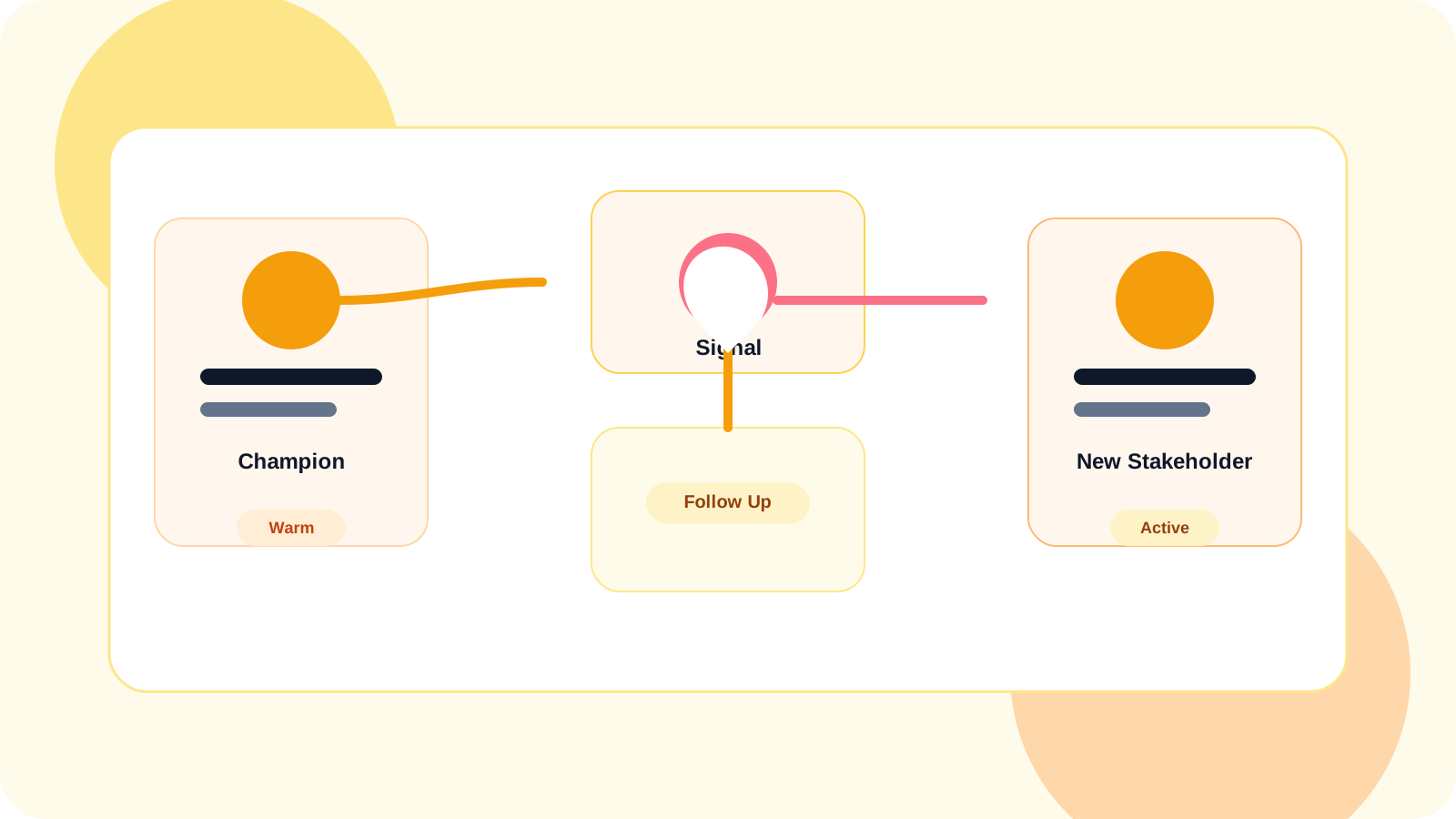
Relationship-first LinkedIn selling means using LinkedIn to protect timing and trust before you ask for the next meeting, introduction, or expansion conversation. In client expansion, the workflow should help account owners stay present, not make warm stakeholder relationships feel mechanical.
Client expansion is where a lot of sales advice breaks. Standard outbound discipline is often too rigid, but doing nothing structured at all leaves relationship owners relying on memory. That is how renewal signals, stakeholder changes, and warm side conversations get missed.
The right approach sits in the middle. Relationship-first selling still needs a system, but the system should support the human relationship rather than overpower it. On LinkedIn, that usually means keeping track of who matters, what changed, and when to follow up without forcing every stakeholder into a high-volume sequence.
DMnesia works well for that because it is light enough to live inside the browser while still giving account managers a visible follow-up queue, reply detection, profile tracking, and reminders that stop warm accounts from slipping through the cracks.
Why relationship-first LinkedIn selling matters more in expansion than in cold outreach
Cold outreach can absorb a little friction. Expansion cannot. Once a customer relationship exists, every touch says something about how well you understand the account.
| Expansion moment | Relationship-first move | What to avoid |
|---|---|---|
| Stakeholder role change | Reconnect with a timely, useful note | Sending a generic sequence like it is a cold lead |
| New internal initiative | Reference the initiative and suggest a focused follow-up | Pushing product talk before confirming the new context |
| Warm reply after silence | Pause the old cadence and move into a live conversation | Letting reminders continue blindly after the reply |
| Multi-thread expansion | Track each stakeholder separately with clear next steps | Treating the whole account like one contact record |
What relationship-first LinkedIn selling actually looks like
It does not mean “never ask.” It means the ask follows context and trust instead of replacing them.
- Stay close to stakeholder movement so role changes and internal shifts are noticed early.
- Keep light reminders so useful follow-ups happen on time without sounding forced.
- Use LinkedIn as a context layer for tone, timing, and what matters now.
- React quickly to replies so the sequence yields to the relationship the moment the buyer re-engages.
The general thought piece on relationship-first LinkedIn selling explains the philosophy. This article narrows it to the client-expansion use case, where timing is usually subtler and the social cost of clumsy follow-up is much higher.
How account managers keep LinkedIn useful without making it feel like a CRM chore
1. Track people, not just accounts
Expansion happens through stakeholders. If the workflow only tracks the account logo, it misses the people whose activity actually signals momentum. DMnesia helps by keeping individual LinkedIn contacts visible with their own next step and status.
2. Make reminders specific to the relationship
A reminder that says “follow up” is not enough. The note needs a reason: check in after a promotion, reconnect after an event, circle back on a hiring push, or revisit after a discussion went quiet. That is how reminders stay helpful instead of pushy.
3. Keep warm replies out of the overdue pile
Nothing breaks relationship trust faster than treating an engaged stakeholder like an untouched prospect. DMnesia’s reply detection matters in expansion because it helps the relationship owner move from scheduled follow-up into active conversation immediately.
4. Use visibility to support account planning
LinkedIn does not replace account strategy, but it often reveals the earliest signs that strategy should change. If one stakeholder goes quiet and another becomes active, the account team should see that before the next QBR, not after.
Practical rule: if the workflow makes the stakeholder feel like a task before it makes them feel understood, the system is too mechanical for expansion work.
Where DMnesia helps relationship-first teams most
DMnesia is especially useful when the account owner wants structure without extra friction. It keeps follow-up dates, visible due work, profile context, and reply signals inside the same browser workflow where LinkedIn conversations already live.
That matters for account managers because they often do not need a full outbound machine. They need a dependable way to remember the right person, the right context, and the right next step. The related read on tracking LinkedIn conversations without a CRM for account managers goes deeper on that lighter-weight operating model.
If your main operational challenge is seeing exactly when a champion or stakeholder answered, pair this framework with how to detect when a LinkedIn lead has replied for client success expansion.
A simple client-expansion workflow to follow
- Save strategic stakeholders the moment they become relevant to expansion or renewal.
- Attach one context note so the next touch is based on a real reason, not habit.
- Set a reminder only when the next move is clear so the queue stays meaningful.
- Watch for replies and activity changes to adjust the motion before it feels stale.
- Bring that visibility into the wider account plan when the opportunity becomes bigger than one thread.
That is relationship-first selling in practice. It is not anti-process. It is anti-forgetting and anti-generic follow-up.
People also ask about relationship-first LinkedIn selling
What is relationship-first LinkedIn selling in client expansion?
It is a way of using LinkedIn to strengthen timing, relevance, and stakeholder visibility before asking for a new meeting, renewal motion, or expansion conversation. The relationship stays primary and the workflow supports it.
Why does LinkedIn matter for account managers and client partners?
Because stakeholder movement often shows up there first. Role changes, promotions, content activity, and warm replies can become visible on LinkedIn before they are obvious anywhere else.
How do I stay organized without making client expansion feel transactional?
Use a light follow-up system that tracks people, timing, and next steps, but do not force every stakeholder moment into a rigid sequence. Visibility should support the relationship, not overpower it.
Conclusion: protect the relationship with better timing
Relationship-first LinkedIn selling is really about operational respect. It keeps warm stakeholder relationships from getting lost, while making sure the next touch happens for a good reason and at the right time.
If your client-expansion work lives inside LinkedIn more than your CRM can capture, DMnesia gives you a lighter way to keep follow-ups organized without turning those relationships into admin work.
Keep expansion follow-ups human and visible
Use DMnesia to track stakeholder timing, catch replies, and keep client-expansion conversations from fading out between meetings.
Explore DMnesia featuresFrequently asked questions
What is relationship-first LinkedIn selling in client expansion?
It is a way of using LinkedIn to strengthen timing, relevance, and stakeholder visibility before asking for a new meeting, renewal motion, or expansion conversation. The relationship stays primary and the workflow supports it.
Why does LinkedIn matter for account managers and client partners?
Because a lot of stakeholder movement happens there first. Role changes, promotions, content activity, and warm replies often show up on LinkedIn before they become clear in the CRM or inbox.
How do I stay organized without making client expansion feel transactional?
Keep a light follow-up system that tracks people, timing, and next steps, but do not force every stakeholder moment into a rigid sales sequence. Visibility should support the relationship, not overpower it.