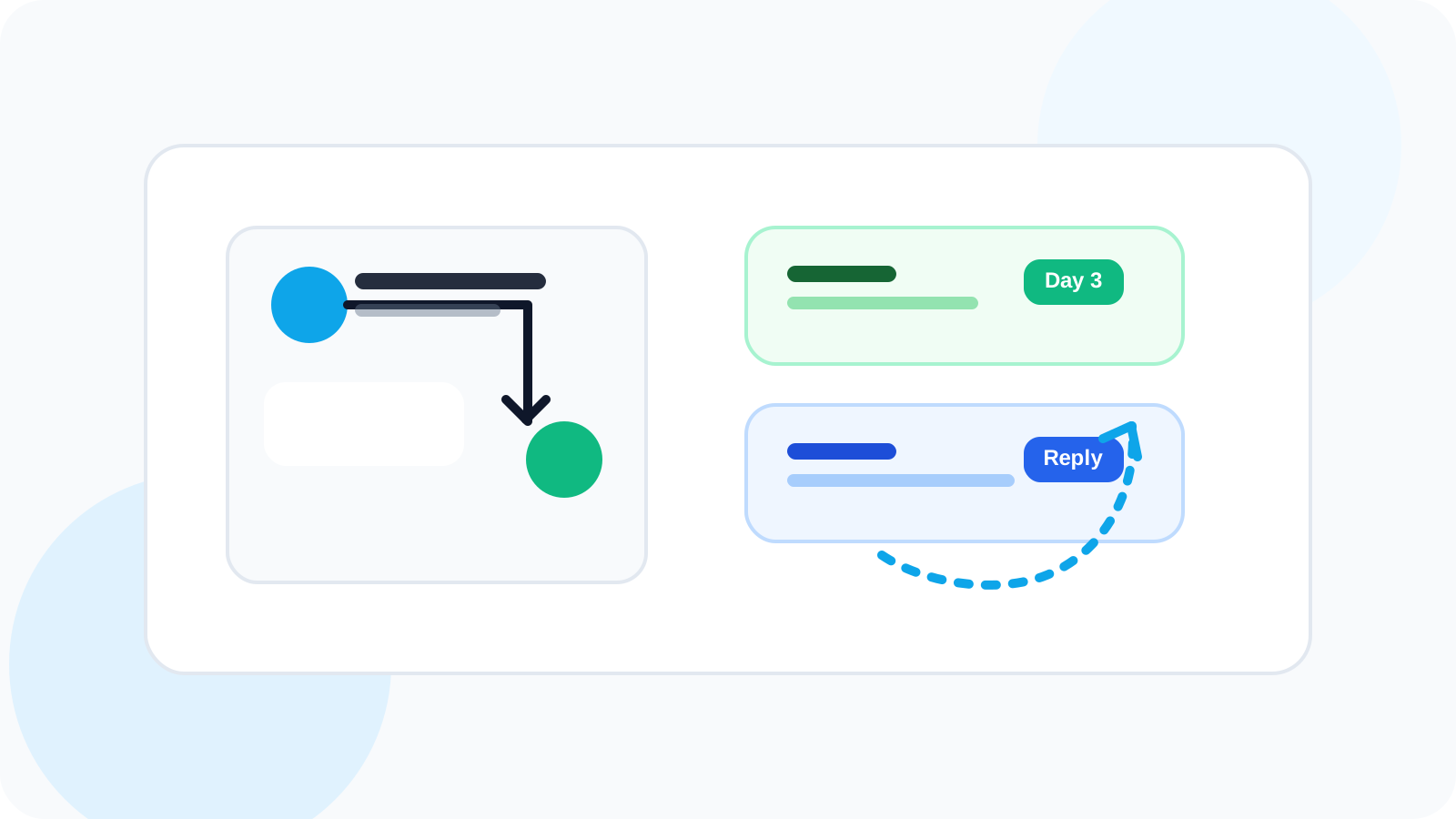
A relationship-first LinkedIn follow-up system keeps warm conversations moving without forcing every contact through the same pitch path. The rep still follows up consistently, but reminders, message tone, and next steps stay anchored to buyer context, reply signals, and trust instead of pure sequence completion.
That is the real difference between thoughtful LinkedIn selling and simple task management. In a rigid sequence, the goal is finishing the cadence. In a relationship-first system, the goal is keeping the conversation alive in a way that still feels relevant to the buyer.
The broader philosophy shows up in relationship-first LinkedIn selling. This article narrows the focus to operations: how to turn that philosophy into a repeatable follow-up system a rep can actually run every day.
For a customer-growth version of the same idea, the companion read is relationship-first LinkedIn selling for client expansion. Consultants selling premium advisory work can pair this with relationship-first LinkedIn selling for high-ticket consulting.
What makes a relationship-first follow-up system different?
The system still needs structure. It just uses structure in service of the relationship rather than the other way around.
| Approach | What the rep optimizes for | Likely buyer experience |
|---|---|---|
| Sequence-first | Completing steps on time | Consistent but often generic and poorly timed |
| Relationship-first | Context, momentum, and trust | Fewer touches, but each one feels more connected |
| Relationship-first with tracking | Context plus visible reminders and reply awareness | Thoughtful follow-up that is less likely to disappear or overfire |
The goal is not to send fewer messages just for the sake of it. The goal is to send follow-ups that feel like a continuation, not a reset.
The four parts of a relationship-first LinkedIn follow-up system
1. A clear reason to reappear
Every follow-up needs a reason that would still make sense if the buyer remembered the last exchange perfectly. That reason may be a reply gap, a relevant signal, a new resource, or a natural continuation of the thread. If the rep cannot explain why the follow-up matters today, the reminder should not fire yet.
2. A visible reminder layer
Relationship-first sounds elegant until it depends on memory. That is where most teams fail. DMnesia’s reminder workflow matters because it turns a good intention into visible due work. Reps can start with a structured cadence, then adjust as the conversation warms up or changes shape.
3. Reply awareness
No relationship-first system works if live replies are easy to miss. Once the buyer answers, the follow-up logic should change. DMnesia’s reply detection helps by surfacing those conversations before a stale reminder creates an awkward extra nudge.
4. Message structure without template laziness
Templates are helpful when they remove blank-page friction, not when they erase context. The best pattern is close to the reply-first framework for B2B LinkedIn outreach: write for response quality first, and let the ask arrive after the thread has earned it.
Practical test: if your follow-up could be sent to a different contact by changing only the name, it is probably sequence-first wording pretending to be relationship-first wording.
How to set timing without sounding annoying
Timing is where relationship-first systems either prove their value or collapse into vagueness. Too fast and the rep looks pushy. Too slow and the conversation dies quietly.
- Use a starting cadence so no warm contact vanishes by accident.
- Slow down when the buyer gave context but not urgency.
- Speed up when the buyer signaled active interest or a real problem.
- Stop the cadence when the thread changes shape and write from the new reality.
If your team needs the copy-side discipline behind this timing, the best companion reads are how to follow up on LinkedIn without being annoying and LinkedIn follow-up sequence templates. Those pieces help with wording. This one is about the system the wording lives inside.
What a daily workflow looks like
Relationship-first follow-up should feel calm and repeatable, not handcrafted chaos. A strong daily loop is usually short:
- Review the due queue and remove any contact whose context changed.
- Open the warmest conversations first, not just the oldest ones.
- Write from the last real interaction, not from the original script.
- Set the next reminder before closing the thread so the relationship stays visible.
That final step is what prevents “relationship selling” from becoming a nice idea with no operational backbone. The system has to remember even when the rep is busy.
When this system works best
Relationship-first LinkedIn follow-up is especially effective when the sale depends on trust, nuance, or timing. That includes founder-led outreach, strategic outbound, account-based work, and any motion where one thoughtful reply is worth more than ten generic sends.
It also works well for teams that want discipline without heavy automation. If that is your concern, the related guide to private LinkedIn tracking without automation explains why a manual-first system can still feel structured and fast.
People also ask about a relationship-first LinkedIn follow-up system
What is a relationship-first LinkedIn follow-up system?
It is a follow-up workflow built to keep trust and context intact while still moving the conversation forward. The reminders are structured, but the rep adjusts the message and timing to the buyer reality instead of following a blind script.
How often should you follow up on LinkedIn in a relationship-first workflow?
As often as the relationship and signal justify. Many teams start from a simple cadence, then adjust the spacing once the buyer reveals more context or shows stronger intent.
What makes relationship-first follow-up different from standard sales sequences?
It optimizes for continuity and response quality, not just task completion. The system is there to preserve context, not to replace judgment.
Conclusion: protect momentum without sacrificing trust
A relationship-first LinkedIn follow-up system gives the rep structure without flattening the conversation into a script. That is the balance that matters: visible reminders, reply awareness, and enough message discipline to keep momentum going while still sounding human.
Use DMnesia to keep LinkedIn follow-ups organized, visible, and tied to the real state of each conversation so warm leads stop disappearing between good intentions and busy days.
Keep relationship-led follow-ups visible
DMnesia helps reps manage LinkedIn reminders, reply awareness, and conversation context without forcing every lead through a generic automation flow.
Install DMnesia for ChromeFrequently asked questions
What is a relationship-first LinkedIn follow-up system?
It is a follow-up workflow built to keep trust and context intact while still moving the conversation forward. The rep follows up consistently, but the timing and message stay tied to the buyer relationship instead of a rigid pitch sequence.
How often should you follow up on LinkedIn in a relationship-first workflow?
The timing should match the warmth of the conversation and the reason for outreach. Many teams start with a structured cadence, then adjust once the buyer gives a signal or reply.
What makes relationship-first follow-up different from standard sales sequences?
The system optimizes for continuity and response quality, not just sequence completion. It values buyer context, reply visibility, and thoughtful reminders more than automatic task volume.