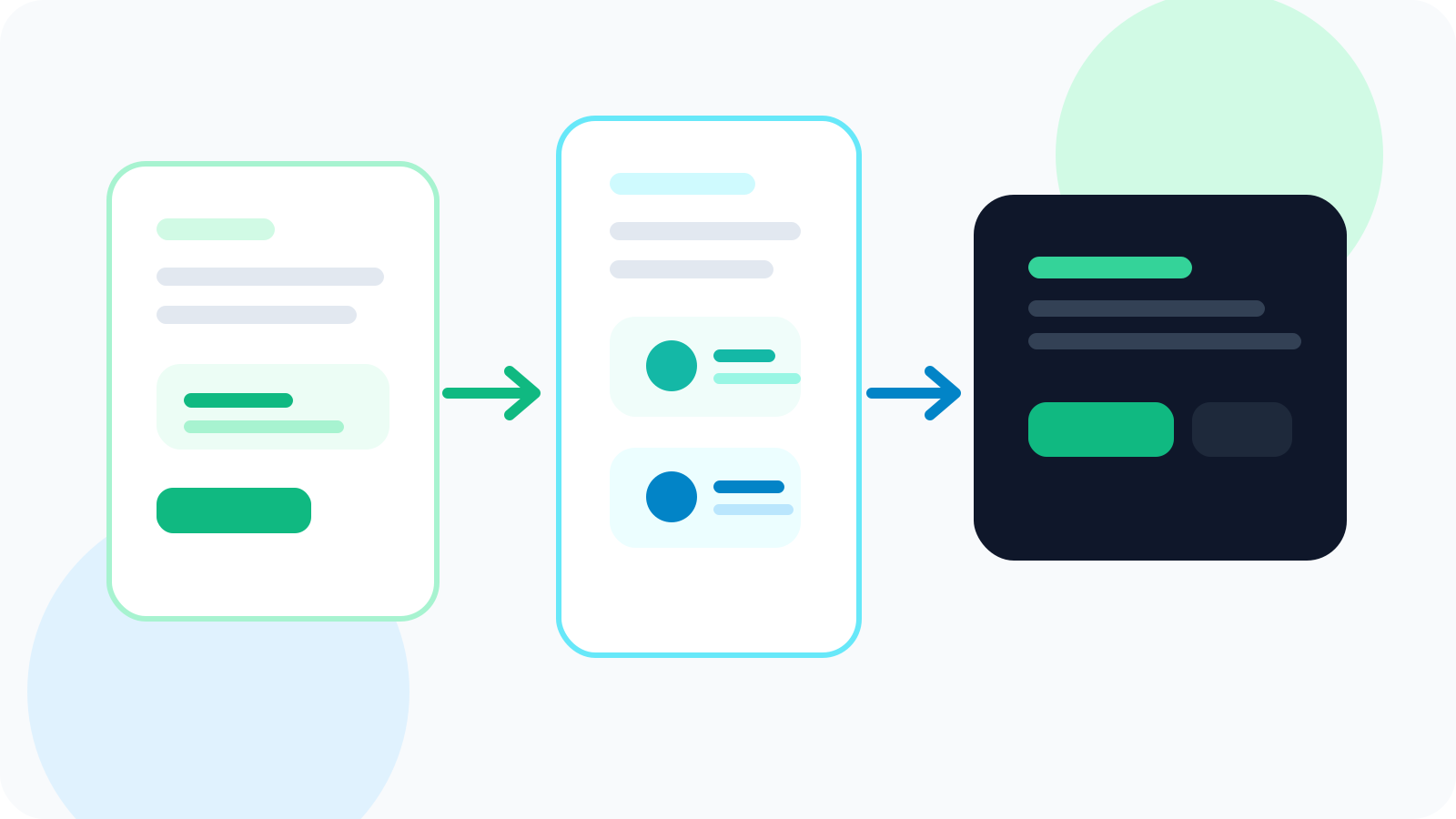
A LinkedIn target leads pipeline for channel partnerships keeps warm partner-sourced names in a staging lane until they are ready for real outreach. That separation matters because partnership leads often arrive with partial context, soft introductions, and unclear timing, which means they need qualification before they should enter your daily follow-up queue.
Channel and alliance work breaks a lot of standard pipeline assumptions. A lead might come from a co-selling partner, a referral partner, a tech integration conversation, or an ecosystem manager who knows the account but has not yet made the introduction. The name is promising, but that does not mean the prospect belongs in active follow-up today.
A strong LinkedIn target leads pipeline gives those names a home before outreach starts. It keeps the research, referral context, and account fit visible without polluting the live queue. Then, once the signal is strong enough, the prospect moves into tracked follow-up with reminders, message support, and reply awareness.
That is why DMnesia’s separation between Target Leads and tracked contacts matters so much for partner motions. Channel teams need a place to sort possibility before they create obligation.
Why channel partnerships need a staging pipeline first
| Partner-sourced situation | What the pipeline should capture | Why it helps |
|---|---|---|
| Warm suggestion | Partner source and reason for fit | You remember why the prospect mattered before writing anything |
| Pending introduction | Whether the intro is confirmed or still being arranged | You avoid premature follow-up that ignores the partner motion |
| Account research | Stakeholders, ICP fit, and handoff notes | You promote only the right names into active outreach |
| Ready to engage | Clear next step and owner | The live queue stays focused on actionable work |
Without that staging layer, partner leads either disappear into a spreadsheet or jump too early into a follow-up system they were never ready for.
What makes partner-sourced leads different from normal prospecting
1. Context matters more than volume
In outbound prospecting, a rep may start with a large list and narrow it down. In channel partnerships, the lead count is often smaller but more nuanced. The real value is in the relationship context: who surfaced the lead, why the partner believes there is fit, and how the introduction should happen.
2. Timing is often shared
A partner motion usually has another person in the loop. That means the best next step is not always “send a follow-up today.” Sometimes it is “wait until the partner confirms the intro” or “review the stakeholder map first.” A target-leads lane preserves that nuance better than a live follow-up queue.
3. Ownership can change during the process
One person may source the lead, another may take the outreach, and a third may work the ongoing account relationship. That makes clean promotion from pipeline to active tracking more important than in simple solo workflows.
Partnership rule: if a lead depends on partner context, do not treat it like generic outbound. Store the relationship signal before you store the follow-up burden.
How to structure a LinkedIn target leads pipeline for channel partnerships
- Collect partner-sourced names in one intake lane instead of mixing them with cold outbound research.
- Attach the source of the lead so the team knows who opened the door and what promise was implied.
- Review the profile before outreach to confirm fit, account role, and likely conversation angle.
- Promote only outreach-ready contacts into tracked follow-ups once the next step is clear.
- Use templates and reminders after promotion so the live queue stays reserved for real work.
That final step is critical. The target pipeline should not become a parking lot forever. Its job is to keep the early stage clean and then hand qualified prospects into the execution layer. DMnesia does that with a lightweight browser-native workflow instead of a heavy CRM transition.
How DMnesia supports the partner workflow
| Workflow need | DMnesia support | Result |
|---|---|---|
| Pre-outreach staging | Target Leads lane | Partner-sourced names stay organized before follow-up starts |
| Profile review | Browser-based contact workflow | The team can verify context while viewing LinkedIn |
| Promotion into live work | Conversion into tracked contacts | Only qualified prospects enter the reminder queue |
| Ongoing execution | Templates, reminders, and reply awareness | Outreach stays consistent after the handoff |
If your partnership workflow is more territory-driven than source-driven, the related guide on LinkedIn target leads pipeline for territory planning covers the account-sorting side. If your issue is qualifying which targets deserve immediate action, the page on LinkedIn target leads pipeline for qualified outreach focuses on that promotion threshold.
Common mistakes channel teams make
Moving referral leads into active follow-up too early
This creates awkward outreach and noisy queues. A warm lead still needs context before it becomes an active task.
Failing to store the source relationship
If the rep cannot see who surfaced the lead and why, the message loses one of its strongest advantages.
Using the same workflow for all partner motions
Co-selling, referral partnerships, and ecosystem plays do not all mature at the same pace. The pipeline should make room for those differences before the live sequence begins.
People also ask about LinkedIn target leads pipelines
Why is a LinkedIn target leads pipeline useful for channel partnerships?
Because partner-sourced names arrive warm but often incomplete. A staging pipeline lets the team qualify fit, context, and timing before those names become active follow-ups.
What should a channel team store before promoting a lead into outreach?
The referring partner, why the account is relevant, who should own the next step, and whether the introduction is ready.
How does DMnesia support a partner-sourced LinkedIn pipeline?
DMnesia separates target leads from tracked contacts, keeps review close to the profile, and lets qualified names enter a reminder-based follow-up system only when the next step is clear.
Conclusion: protect the quality of partner outreach before the first message
LinkedIn target leads pipeline work is especially important in channel partnerships because the best leads often arrive with relationship context before they arrive with execution clarity. A clean staging layer protects that advantage instead of flattening it into generic prospecting.
DMnesia gives teams a practical way to do that: keep partner-sourced leads in a dedicated lane, review the profile in context, then move only the qualified names into a live follow-up workflow. That keeps the queue cleaner and the outreach smarter.
Use DMnesia to keep partner-sourced leads organized
Use DMnesia to stage LinkedIn target leads, promote the right contacts into outreach, and keep follow-up work separate from partner research.
Explore DMnesia featuresFrequently asked questions
Why is a LinkedIn target leads pipeline useful for channel partnerships?
Because partner-sourced leads need qualification and context before they should become active follow-up work.
What should a channel team store before promoting a lead into outreach?
The source partner, why the lead matters, current intro status, and the right next owner or message path.
How does DMnesia support a partner-sourced LinkedIn pipeline?
It gives partner-sourced names a Target Leads lane first, then moves qualified contacts into tracked follow-up only when outreach is ready.