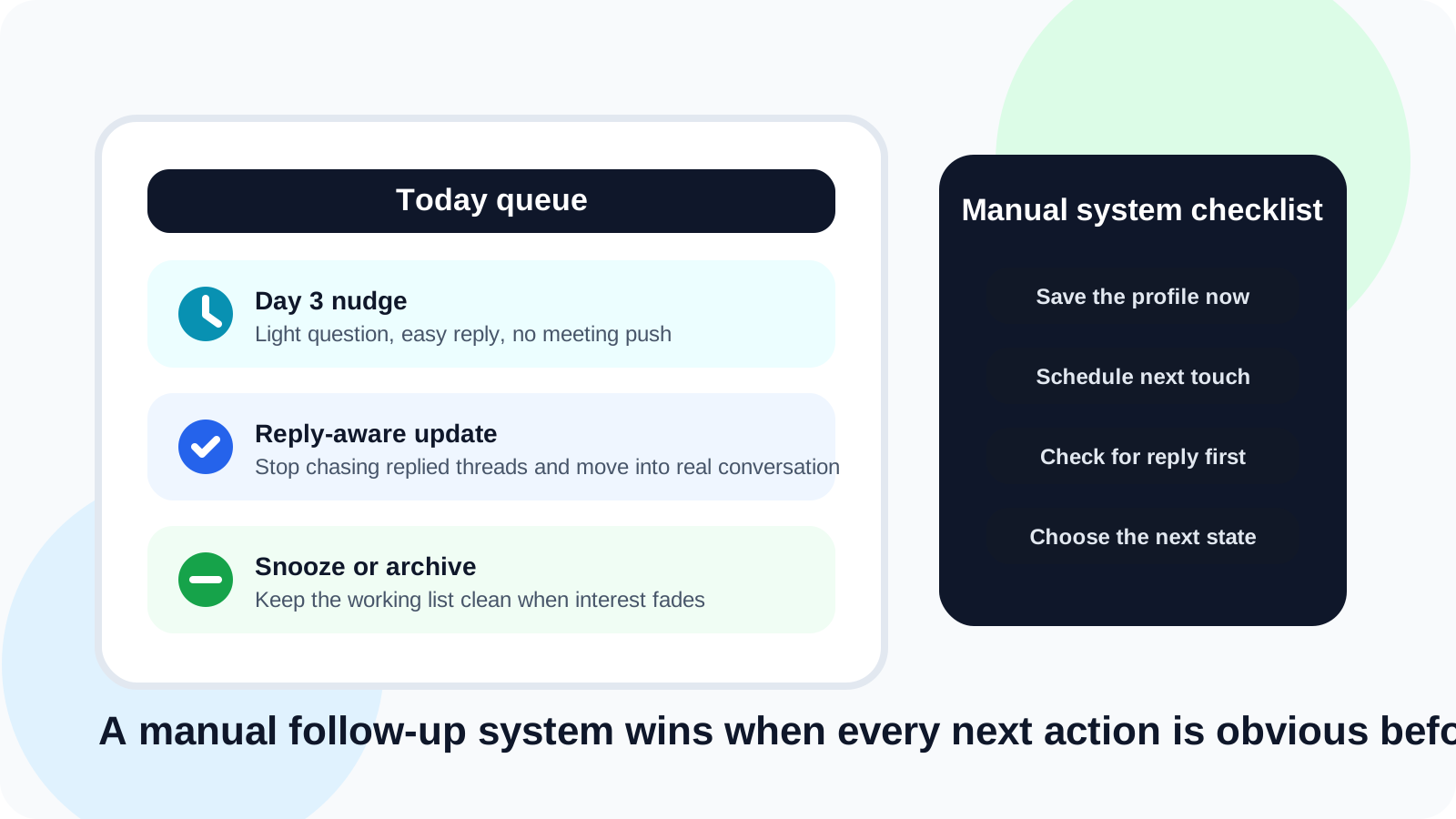
A manual LinkedIn follow-up system should make three things obvious every day: who matters now, what the next message should accomplish, and which conversations should stop receiving pressure. If those answers stay visible, manual follow-up scales much better than most sellers expect.
The real enemy of follow-up is not effort. It is drift. A prospect looked promising on Tuesday, the week got noisy, and by the time the rep remembers them again the message feels late, generic, or unnecessary. That is why a manual system needs more than good intentions.
DMnesia was built for exactly this use case. It keeps LinkedIn follow-up close to where the work happens with tracked contacts, a focused Today tab, badge alerts for due items, reply-aware reminders, and simple state changes like snooze or archive.
What a manual LinkedIn follow-up system must solve
If your process only stores names somewhere, it is not a system yet. A real follow-up system reduces uncertainty at the exact moment the rep needs to act.
| System job | What breaks without it | What good looks like |
|---|---|---|
| Capture | Interesting people never make it into the process | Save the contact while you are still on the profile |
| Timing | Warm threads cool off before the next touch | A visible due queue with a simple cadence |
| Context | Follow-ups sound like they were sent to anyone | Templates plus room for a custom opener |
| State management | Reps keep nudging replied or dead threads | Reply-aware updates, snooze, and archive options |
How to build a manual LinkedIn follow-up system that stays usable
1. Start with a cadence you can actually honor
Complex cadences usually collapse in real life. A practical system begins with a light structure such as day 3, day 7, and day 14. That is one reason the article on day 3, day 7, day 14 follow-up cadence performs well: it is specific enough to use immediately.
2. Keep the active queue smaller than your good judgment
Once the queue becomes a giant backlog, quality drops. A sustainable manual system should only surface contacts that are truly due now. DMnesia’s Today queue works because it narrows attention instead of widening it.
3. Check for replies before drafting the next message
Good manual follow-up is not only about sending. It is about withholding the wrong send. A reply-aware workflow prevents the rep from nudging someone who already responded or from treating a live conversation like a cold follow-up task.
4. Give every stalled contact a non-active state
Not every thread deserves another touch this week. A clean manual system needs somewhere for low-priority or dormant contacts to go. That is why snooze and archive are not minor conveniences. They are how the active queue stays credible.
The best manual systems are quiet. They surface the next job, remove stale noise, and let the rep spend energy on the message instead of on remembering what the message should be.
What to send inside a manual LinkedIn follow-up system
Follow-up quality improves when the structure makes restraint easier. The message should usually do less, not more.
- Reference the previous moment so the prospect does not have to reconstruct the thread.
- Ask a small question instead of repeating a high-pressure meeting ask.
- Use a template as a skeleton and rewrite the first line for the person.
- Choose one outcome for the message: reply, clarification, or light re-engagement.
- End the sequence cleanly when the contact stops justifying active attention.
That is also why pages like how to follow up on LinkedIn without being annoying and LinkedIn follow-up reminder tool sit close to this topic. One covers tone. The other covers timing. A real manual system needs both.
Where DMnesia fits in a manual LinkedIn follow-up system
DMnesia gives reps the infrastructure a manual workflow normally lacks. You can track a profile in one click, work through due conversations from the Today tab, use templates when blank-page friction hits, and let reply detection keep the queue honest. For solo reps, that is enough to stop losing threads to memory. For growing teams, it creates a cleaner base before heavier reporting layers get involved.
If you are evaluating the operating model rather than only the tactic, the most relevant companion read is tool that reminds me to follow up on LinkedIn DMs. It shows the reminder side of the system in more detail.
People also ask about manual LinkedIn follow-up systems
What is a manual LinkedIn follow-up system?
A manual LinkedIn follow-up system is a structured process for saving contacts, scheduling the next touch, checking for replies, and moving each conversation into the right state without automated sending.
How often should you follow up on LinkedIn manually?
A practical baseline is an initial message, then follow-ups around day 3, day 7, and day 14. The exact cadence can change, but spacing and consistency matter more than frequency alone.
What makes a manual follow-up system sustainable?
It becomes sustainable when the next action is obvious, the queue stays small enough to work daily, and replied or stale contacts are removed from active follow-up quickly.
Conclusion: the system matters more than the intention
A manual LinkedIn follow-up system succeeds when it removes ambiguity from the rep’s day. Better follow-up is rarely about trying harder. It is about seeing the right conversation at the right moment, then sending the right-sized message.
DMnesia helps create that operating rhythm with browser-native tracking, due queues, reply-aware reminders, and clean conversation states. You can review the plan options on the DMnesia pricing page or install the extension and build the queue directly in LinkedIn.
Build a manual follow-up system that actually gets used
Use DMnesia to keep due follow-ups visible, reply-aware, and easy to manage from the browser.
Install DMnesia for ChromeFrequently asked questions
What is a manual LinkedIn follow-up system?
It is a structured manual process for saving contacts, scheduling the next touch, and keeping conversation state accurate without automated sending.
How often should you follow up on LinkedIn manually?
Many teams start with day 3, day 7, and day 14. Consistency and relevance matter more than adding endless touches.
What makes a manual follow-up system sustainable?
A visible queue, reply checks, and easy ways to snooze or archive old threads are what keep manual follow-up workable over time.