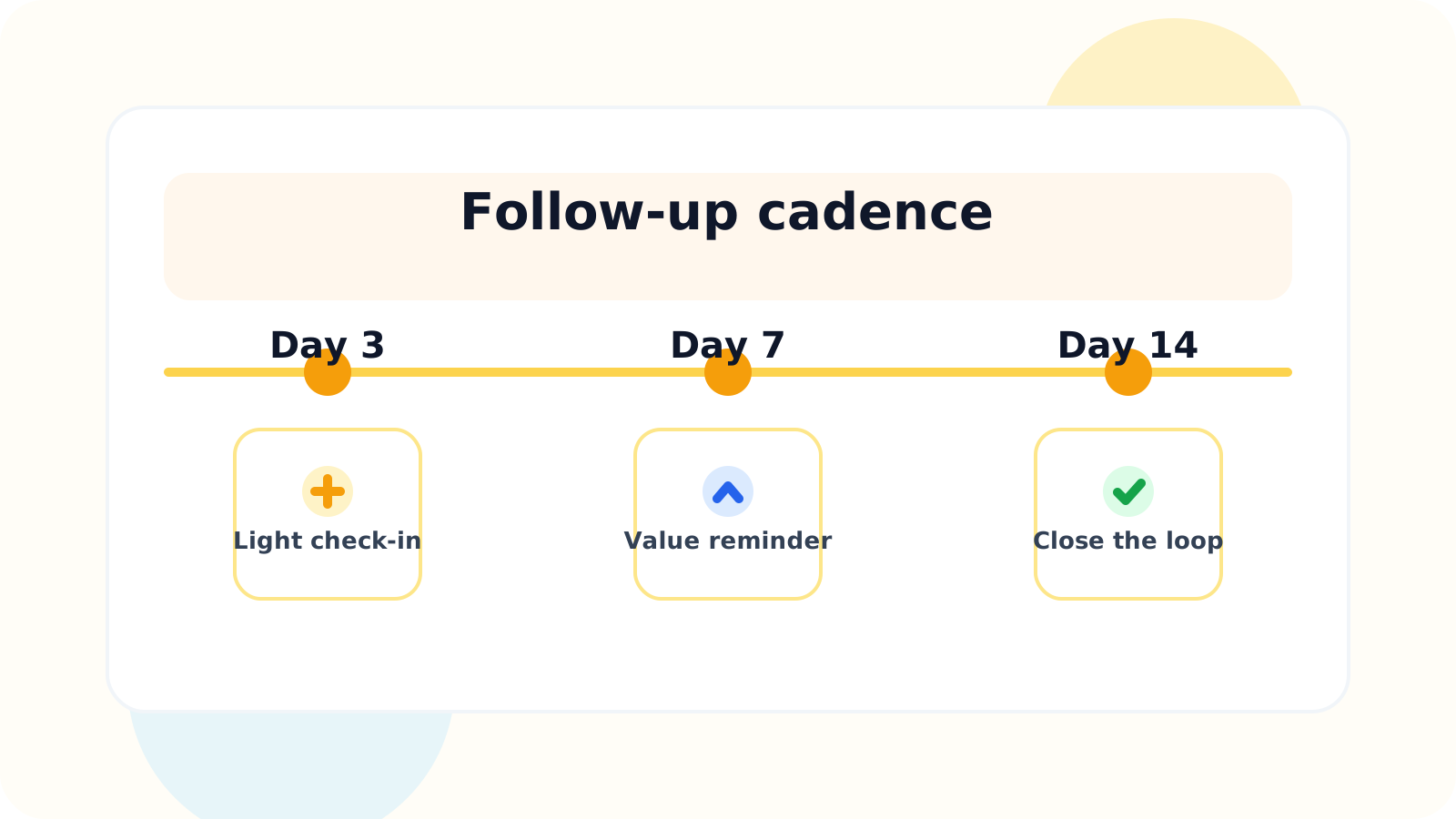
The Day 3 Day 7 Day 14 follow-up cadence works because it gives LinkedIn reps a clear default without turning outreach into spam. It creates three clean windows to re-enter the conversation, preserve context, and keep warm prospects moving while the daily queue stays manageable.
Most follow-up problems are not messaging problems first. They are rhythm problems. Reps either wait too long and lose context, or they stack touches too tightly and create pressure where patience would have worked better.
That is why DMnesia starts with a familiar Day 3, Day 7, Day 14 sequence. It is simple enough for one person to run consistently and structured enough for a team to coach against. The key is not blind obedience to the dates. The key is making sure the next touch is visible before the thread goes cold.
What the Day 3 Day 7 Day 14 follow-up cadence actually does
| Timing | Best use | What the message should feel like |
|---|---|---|
| Day 3 | Quick re-entry while the first touch is still fresh | Light, easy to answer, and low pressure |
| Day 7 | Value reminder once the prospect has had room to think | More specific, more useful, and more contextual |
| Day 14 | Respectful final nudge before you close the loop | Direct, calm, and easy to reply to either way |
That spacing is why the cadence keeps showing up in serious LinkedIn workflows. It holds momentum without making every follow-up feel like a chase.
Why this cadence still works in 2026
1. It is easy to remember
Good systems survive busy days. A rep who can remember the pattern without checking a playbook is far more likely to use it consistently.
2. It leaves room for human judgment
Not every prospect needs the exact same spacing, but most outreach benefits from a stable starting point. DMnesia lets users keep the default or adjust reminder timing in settings when the market calls for a different pace.
3. It works better when the queue stays visible
A cadence only helps when the rep actually sees the task. That is why DMnesia pairs the timing with a Today view, due-count badge alerts, and reply-aware tracking that removes answered conversations from the pending stack.
Practical rule: if your cadence lives in a document but your day lives in LinkedIn, the system will eventually break. The reminders need to sit next to the work.
How to run the Day 3 Day 7 Day 14 follow-up cadence well
The rhythm is simple. The execution still matters.
- Write each follow-up for its purpose instead of repeating the same ask three times.
- Use templates as a starting point so the message feels faster, not robotic.
- Stop the sequence when the prospect replies so live conversations are handled like real conversations.
- Review due work in one pass each day instead of checking LinkedIn at random.
- Snooze or archive stale threads once the sequence has done its job.
That is the operating model DMnesia is built around. The cadence starts the structure, the queue keeps it visible, and the rep still decides how each message should sound.
People also ask about the Day 3 Day 7 Day 14 follow-up cadence
What is a Day 3 Day 7 Day 14 follow-up cadence?
It is a three-step follow-up schedule where the first reminder happens on Day 3, the second on Day 7, and the third on Day 14. It gives reps a practical default without crowding the prospect.
Why does the Day 3 Day 7 Day 14 cadence work on LinkedIn?
Because it balances persistence with breathing room. The prospect hears from you often enough to remember the thread, but not so often that the messages feel anxious.
Should you change the Day 3 Day 7 Day 14 cadence?
Yes, if your buyers clearly need a different tempo. It is a strong default, not a law. The right test is whether the spacing fits your audience and still keeps the rep disciplined.
Conclusion: the best cadence is the one your reps can actually keep
The Day 3 Day 7 Day 14 follow-up cadence remains popular because it is usable. It is easy to teach, easy to review, and flexible enough to feel human when the messages are written well.
DMnesia turns that cadence into a working browser-native routine with visible reminders, reply-aware cleanup, and simple next-step controls when the sequence ends.
For a founder-led version of the same structure, read Day 3 Day 7 Day 14 follow-up cadence for founder-led sales.
Make the cadence visible every day
Use DMnesia to run Day 3, Day 7, and Day 14 follow-ups from one clean queue instead of relying on memory.
Install DMnesia for ChromeFrequently asked questions
What is a Day 3 Day 7 Day 14 follow-up cadence?
It is a simple three-touch schedule that gives reps a clean default for when to circle back on LinkedIn.
Why does the Day 3 Day 7 Day 14 cadence work on LinkedIn?
Because it protects momentum without overwhelming the prospect, especially when the queue is kept visible each day.
Should you change the Day 3 Day 7 Day 14 cadence?
Yes, if your market needs it. Start there, then adjust once you have real response patterns to learn from.