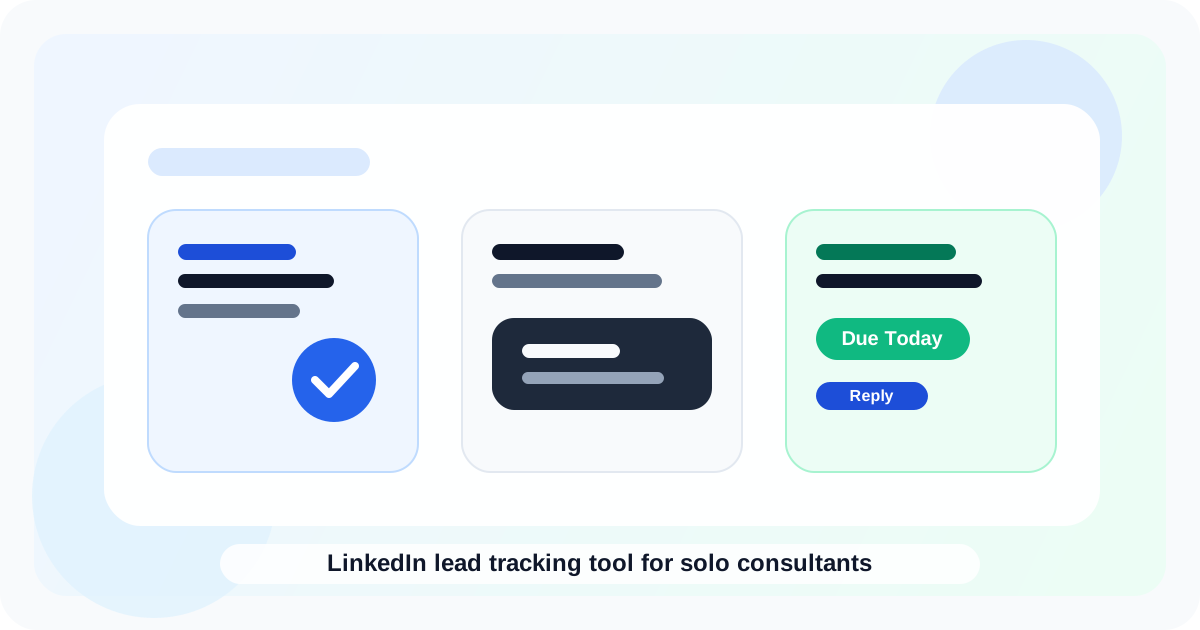
A solo consultant needs a LinkedIn lead tracking tool that separates future-fit leads from active outreach and keeps follow-ups easy to trust. The right system helps you build pipeline before you are ready to message, then promotes the right people into live follow-up without turning the whole list into noise.
That distinction matters more for consultants than it first appears. A consultant pipeline is usually a mix of referral contacts, warm introductions, long-cycle prospects, and people who are interesting but not yet urgent. When those states get mixed together, the active queue becomes bloated and the consultant stops trusting the system. The result is not just clutter. It is missed timing.
DMnesia is built around cleaner states. You can keep future-fit people in Target Leads, move the right contacts into active tracking with one-click capture, work due items from the Today queue, and rely on reply-aware reminders so the list reflects the current reality of your conversations.
What a consultant-grade LinkedIn lead tracking tool should do
| Lead tracking job | Why it matters | Good outcome |
|---|---|---|
| Separate research from action | Not every promising contact belongs in active follow-up yet | Your live queue stays focused and believable |
| Keep capture friction low | Consultants prospect in short windows, often between delivery tasks | Profiles get saved while the context is fresh |
| Show the next useful step | The list is worthless if it cannot tell you what matters today | You can start a selling block with the right follow-ups |
| Adjust after replies | Answered prospects should not remain buried under overdue reminders | Your queue reflects live relationship status |
Why solo consultants need cleaner lead states than they think
Network building and active pipeline are not the same thing
Many consultants grow through reputation and referrals. That means you may want to save a profile because the person matters, not because the timing is right to reach out. A tool that forces every saved person into the same follow-up process creates needless pressure and noise.
Pipeline health depends on what is not in the active queue
A clean queue is not only about what it contains. It is also about what stays out. The best lead trackers let you research broadly and promote selectively. That is why the generic LinkedIn lead tracking tool category matters, but consultants benefit even more from a disciplined staging model.
Consultants often need to restart context fast
If you are selling between delivery tasks, you need to return to the pipeline and immediately know which contacts are live, which ones are future-fit, and which conversations already moved. The related guide to tracking LinkedIn conversations without a CRM covers the operational pain behind that problem from a slightly different angle.
Pipeline rule: if you cannot tell the difference between someone you should message today and someone you simply want to remember later, your lead tracker is blending research and action in a way that will eventually break follow-up discipline.
How DMnesia helps solo consultants keep pipeline clean
DMnesia works well when you want a smaller, clearer operating system around LinkedIn instead of a full CRM deployment.
- Save future prospects into Target Leads while you are still qualifying the opportunity.
- Promote contacts into active tracking only when the next step deserves real timing.
- Use the Today queue to work active follow-ups in a small, trustworthy list.
- Keep reply awareness visible so you do not treat every contact as still waiting.
- Use templates selectively to speed up common consultant follow-ups without sounding robotic.
That approach makes lead tracking more useful for consultants who operate across referrals, partnerships, and direct outreach. If your motion depends more on first-touch selling, the companion guide to a LinkedIn outreach tracker for independent consultants is the better next step. If you are comparing lead staging against CRM-style workflow, also read the page on a LinkedIn CRM Chrome extension. If your service is premium and relationship-led, the right follow-on is relationship-first LinkedIn selling for high-ticket consulting.
For consultants building a more pre-outreach research habit, the supporting articles on how to build a LinkedIn prospect pipeline before reaching out and LinkedIn target leads pipeline for qualified outreach go deeper on staging strategy.
Lead tracking choices for a solo consultant pipeline
| Option | Best part | Main issue |
|---|---|---|
| One spreadsheet for everyone | Simple to start and flexible | Eventually mixes target leads, warm intros, and active follow-ups into one list |
| Full CRM lead object | Good if you already have a broader sales stack | Often overbuilt for a solo consultant who sells in bursts |
| Browser-native lead tracker with staging | Keeps research and action separate inside LinkedIn | Needs clear promotion rules from target lead to tracked contact |
Frequently asked questions
Why do solo consultants need a LinkedIn lead tracking tool?
Because future-fit leads, referrals, and active prospects should not all live in the same workflow. Clean states keep the pipeline useful.
What is the difference between target leads and tracked contacts?
Target leads are people worth monitoring or qualifying further. Tracked contacts are the people who already deserve a timed follow-up. Separating them keeps the active queue cleaner.
How does DMnesia help with lead tracking for consultants?
DMnesia lets consultants stage future prospects, promote the right contacts into active outreach, work from a Today queue, and keep reply visibility without a full CRM.
Use DMnesia to keep your LinkedIn pipeline clean
Stage future-fit leads, promote the right contacts into active outreach, and keep follow-ups visible inside LinkedIn.
Install DMnesia for Chrome