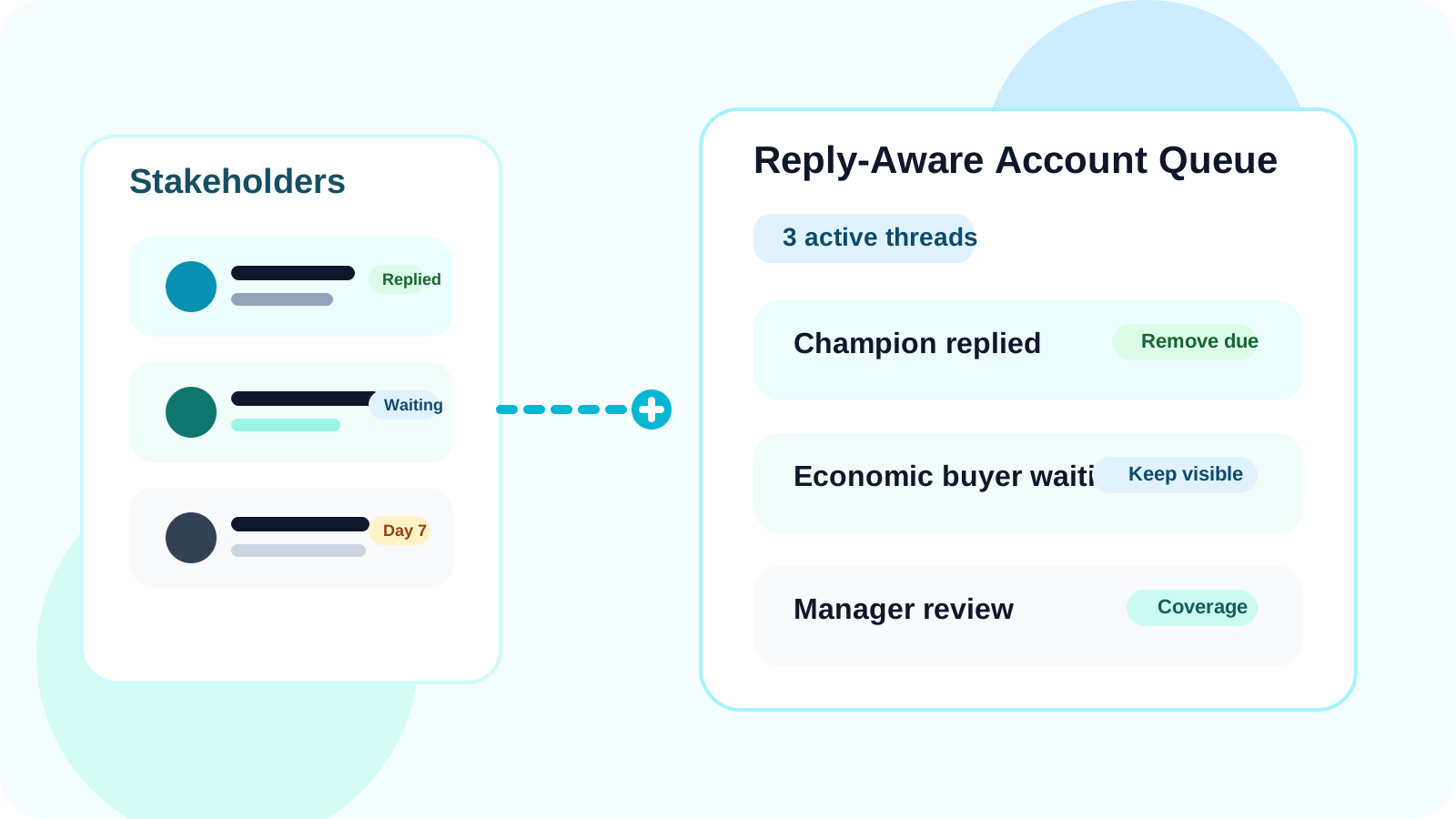
To detect when a LinkedIn lead has replied across a buying committee, use a reply-aware tracking system that marks each stakeholder separately, removes answered contacts from the pending queue, and keeps the rest of the account visible with its own follow-up timing. That prevents warm threads from getting buried inside multi-person deal work.
Single-contact follow-up is hard enough. Buying-committee follow-up is harder because the conversation is no longer one thread. You may have a champion who responds quickly, a decision-maker who lurks silently, and an operations stakeholder who only joins later. If your queue treats them all the same, the rep loses the signal that matters most: who actually moved the deal.
That is why reply detection in 2026 needs to be more than a simple yes or no status. For multi-stakeholder LinkedIn outreach, it has to tell you which person replied, what should leave the due list, and which related contacts still need action.
DMnesia is a practical fit for this because it combines browser-first contact tracking, a due queue, reply detection, and team visibility. It does not try to automate the conversation. It helps the rep keep the deal map honest while still working inside LinkedIn.
Why reply detection gets messy in buying-committee deals
In a multi-threaded account, reply awareness is not just about courtesy. It affects priority, ownership, and sequencing. A single positive reply from one stakeholder may change the urgency of every other planned touch on the account.
| Committee situation | What breaks without reply awareness | What the better workflow does |
|---|---|---|
| Champion replies | The account still looks cold in the due queue | Moves that contact out of pending follow-up immediately |
| Economic buyer stays silent | Reps assume the whole committee is active | Keeps unreplied stakeholders visible with separate timing |
| Manager reviews the deal | Activity looks busy but signal quality stays unclear | Shows who replied, who owns follow-up, and what still needs action |
The real risk is false confidence. One answered thread can make a rep feel like the whole account is warm when only one relationship actually moved.
How to detect when a LinkedIn lead has replied in buying-committee outreach
1. Track people, not just accounts
Reply status should live at the stakeholder level. If one person responds, that should not automatically clear every other follow-up tied to the account. The system needs enough granularity to show exactly where momentum exists.
2. Let replied contacts leave the queue immediately
The minute a stakeholder replies, that person should stop appearing in the same reminder list as cold prospects. This is the core value of reply detection. It changes the next action, not just the label.
3. Keep unreplied stakeholders visible with context
A champion reply may be a reason to adjust follow-up, not cancel it entirely. Good systems keep the other contacts visible so the rep can decide whether to pause, sequence, or coordinate outreach differently across the committee.
4. Give managers a clean view of thread state
Buying-committee deals are where manager visibility starts to matter more. Leaders need to see which stakeholders replied, where coverage is weak, and whether the rep is over-relying on one warm contact. The broader article on how sales teams manage LinkedIn outreach across reps covers that operating model from the team side.
Deal rule: a buying committee is not warm because one person answered. It is warm when the right people are moving and your queue reflects that reality clearly.
What a reply-aware committee workflow should include
- Individual contact status so each stakeholder can be waiting, replied, snoozed, or archived on their own timeline.
- A trustworthy due queue that only shows people who still need outbound action.
- Visible ownership so shared-team deals do not create duplicate follow-ups.
- Notes or templates close to the thread so the next message reflects what already happened.
- Manager-level visibility when the deal grows beyond one rep and one thread.
These pieces matter because reply detection is only useful when it changes workflow decisions. Otherwise it stays a nice label on top of a bad queue.
Where DMnesia fits for multi-stakeholder reply detection
DMnesia helps teams keep LinkedIn outreach close to the browser while still giving structure to deals that involve multiple people. Reps can track contacts, work from a daily due queue, and rely on reply detection to keep answered stakeholders out of the wrong list.
- Rep workflow stays fast with tracked contacts, templates, and reminder timing inside LinkedIn.
- Reply-aware tracking helps teams avoid embarrassing double follow-ups after a stakeholder already engaged.
- Team visibility becomes more useful when shared dashboards and organization records matter.
- API growth paths help RevOps connect LinkedIn motion to the broader pipeline once needed.
If you need the foundational version of this topic, read how to detect when a LinkedIn lead has replied. If the challenge is more about shared account coverage across reps, the adjacent page is how to detect when a LinkedIn lead has replied on shared accounts. And if the buying-committee problem shows up later as a management issue, compare this with the shared LinkedIn outreach dashboard for weekly pipeline reviews.
People also ask
How do you detect when a LinkedIn lead has replied across a buying committee?
Use a reply-aware tracking system that separates waiting contacts from active stakeholders, marks individual replies clearly, and updates the queue the moment one part of the committee engages.
Why is reply detection harder in multi-stakeholder deals?
One account can contain several LinkedIn conversations at once. Without clear status and ownership, reps can miss the warm thread or keep following up with the wrong person.
What should happen when one stakeholder replies?
The replied contact should leave the pending follow-up list immediately, while the rest of the committee stays visible with its own timing and ownership context.
Conclusion: committee reply detection is really about deal clarity
When people ask how to detect when a LinkedIn lead has replied, buying-committee deals make the question more precise. The issue is not only whether someone answered. It is whether your queue can still tell the truth about where the deal stands after that reply happens.
DMnesia supports that by keeping contact-level follow-up, reply awareness, and team visibility close to the browser workflow. For modern B2B teams, that is often the difference between a clean progression and a noisy account with false momentum.
Keep buying-committee replies out of the wrong queue
Use DMnesia to track stakeholder-level follow-ups, spot replies quickly, and keep multi-person LinkedIn deals organized inside the browser.
Explore the Team WorkflowFrequently asked questions
How do you detect when a LinkedIn lead has replied in a buying committee?
Track stakeholders individually, remove answered contacts from pending reminders, and keep unreplied contacts visible on their own timeline. That preserves deal clarity instead of flattening the account into one status.
Should one reply stop all account follow-ups?
Not automatically. One reply may change sequencing, but the rest of the committee still needs separate judgment and timing. The right workflow keeps that distinction visible.
Why does manager visibility matter here?
Managers need to see where the deal is really warm, where coverage is missing, and whether the rep is relying too heavily on one responsive contact. Reply-aware status makes that much easier.