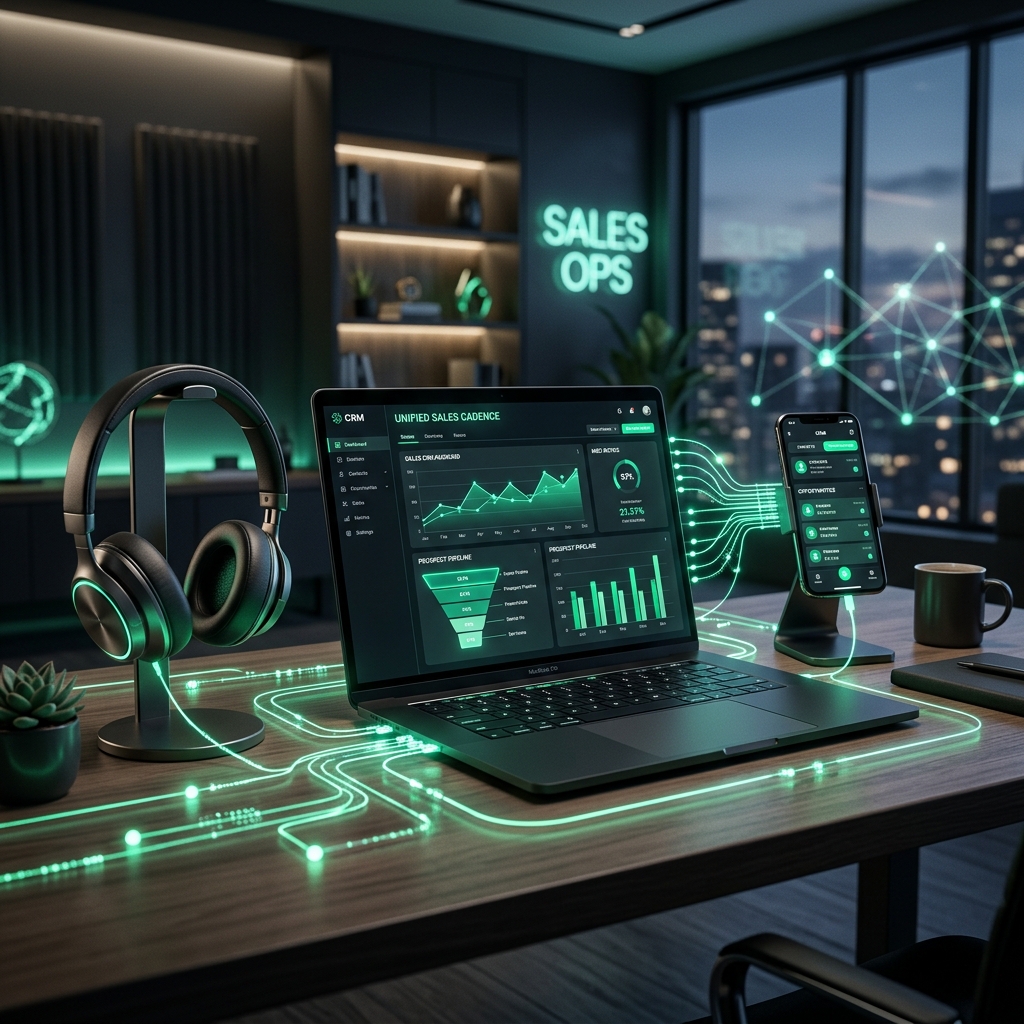
"A single channel is a monologue. Multiple channels are a relationship."
Most sales teams in 2026 suffer from what we call the **"Franken-Stack" Problem**. They use one tool for email, another for LinkedIn, and a third for calls. This results in **Channel Friction**—where the prospect receives a LinkedIn message at 10 AM and a completely unrelated email at 2 PM.
The goal is no longer just "omni-channel" outreach. The goal is Orchestration. Every touchpoint should feel like a continuation of the previous conversation, regardless of the platform.
Why Multi-Channel is Non-Negotiable
Research by Gong.io shows that multi-channel outreach increases success rates by 37%. Why? Because B2B buyers now engage across 10+ digital touchpoints before making a decision. If you are only in their inbox, you are invisible in their feed. If you are only in their feed, you are forgotten in their voicemail.
Orchestration creates familiarity. Familiarity creates trust. Trust creates meetings.
The 2026 "Native Execution" Cadence
A high-conversion sequence in 2026 isn't a random series of pokes. it's a unified narrative. Here is a proven 7-day orchestration framework:
- Day 1 (LinkedIn): Profile view + Follow. This is the "Soft Signal"—you are now a face they recognize.
- Day 2 (LinkedIn): Comment on a recent post. This is the "Expertise Signal"—you have something valuable to say.
- Day 4 (Email): Reference the LinkedIn post and offer a specific resource that helps with a problem they mentioned.
- Day 6 (LinkedIn): The "Soft Close" DM. Reference the email and ask a low-friction question.
- Day 7 (Phone): The follow-up. "Hey [Name], just following up on that resource I sent over LinkedIn..."
Combating "Tab Fatigue" with a Unified Workspace
The reason most SDRs fail at orchestration is administrative overhead. Switching browser tabs 50 times a day to log a LinkedIn DM into a separate CRM is a productivity killer. This is the "tab-hopping" tax.
To succeed, you need Native Execution. Your CRM tools should live inside the platforms where your prospects live. This is why we built DMnesia—to ensure your LinkedIn activity is synced to your source of truth without you ever leaving the browser tab.
3 Rules for Orchestrated Messaging
1. Context over Copy-Paste
Never send the same message across two channels. If you DM someone on LinkedIn and then email them the exact same text, you look like a bot. Use the channel's unique strength: LinkedIn for conversation, Email for documentation, Phone for directness.
2. Follow the Prospect's Lead
If a prospect replies to your LinkedIn DM, stay there. Don't try to "force" them into an email thread because your CRM likes it better. A good prospecting tool should adapt to the prospect, not the other way around.
3. Use "Bridge" Language
Use phrases like "As I mentioned in my LinkedIn comment..." or "Sent you a resource via email yesterday..." This proves to the prospect that you are a human being managing a single, coherent conversation.
Orchestrate your success
Stop the tab-hopping. Sync your LinkedIn activity instantly and build a unified pipeline with DMnesia.
Start Orchestrating for FreeFrequently Asked Questions
Is the phone still relevant in 2026?
More than ever. Because everyone is hiding behind AI-generated emails, a human voice on a phone call stands out as a high-trust touchpoint that breaks through the digital noise.
Should I use the same message on every channel?
No. Each channel has its own 'vibe.' LinkedIn should be conversational, Email should be resource-heavy, and Phone should be direct. The theme remains the same, but the format changes.